- drmanish@mayomhospital.com
- +91 9999469769 , 01244111880
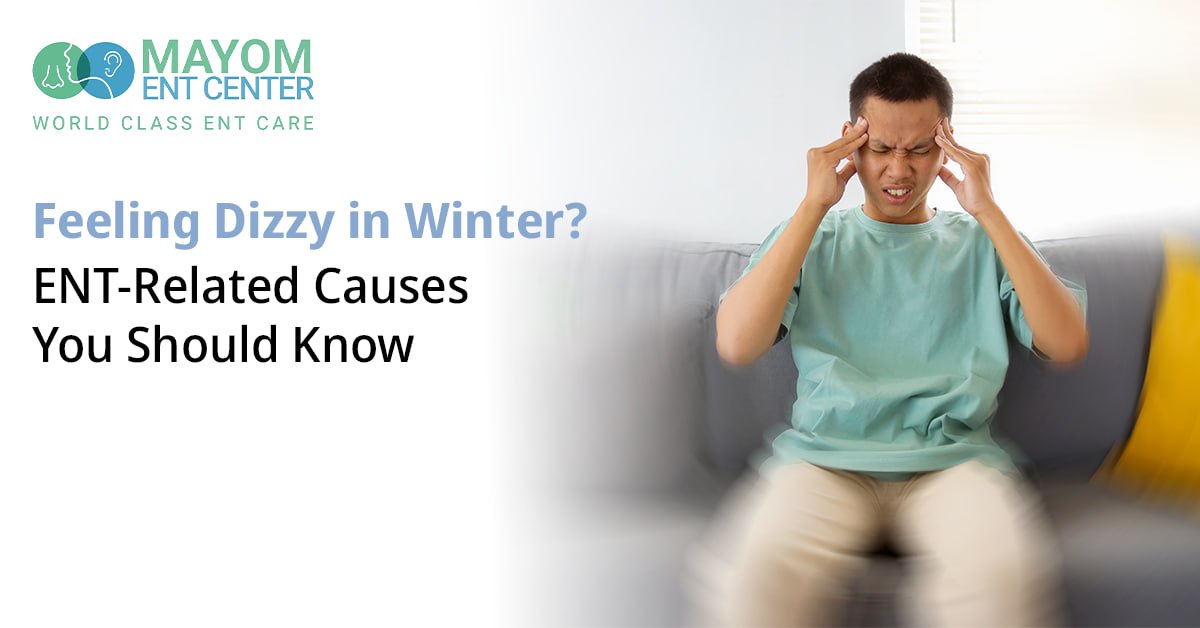
Winter brings relief from summer heat, but for many people, it also brings an unexpected problem dizziness. If you feel light-headed, off-balance, or experience spinning sensations more frequently during colder months, the cause may not always be low blood pressure or weakness. In many cases, the issue is related to the ear, nose, and throat (ENT) system.
Understanding ENT-related causes of dizziness can help you seek timely care from an ENT specialist in Gurgaon and prevent complications.
Cold weather affects circulation, immunity, and inner ear balance. Winters also increase the risk of infections, sinus congestion, and ear pressure changes—all of which directly impact the balance system located in the inner ear.
If dizziness appears suddenly or worsens in winter, consulting an ENT doctor in Gurgaon is strongly advised.
Winter infections often start as a cold or the flu and spread to the inner ear. This leads to inflammation of balance nerves, causing:
Prompt diagnosis by an Emergency ENT doctor in Gurgaon is essential, especially if symptoms are severe.
Blocked sinuses are very common during winter due to dry air and allergies. When sinus pressure increases, it can affect nearby ear structures and disturb balance.
Symptoms may include:
An experienced ENT specialist in Gurgaon can relieve sinus-related dizziness through medications or targeted treatment.
Cold weather causes nasal swelling, which blocks the Eustachian tube (connecting the nose to the ear). This leads to a pressure imbalance in the ear.
Common signs:
This condition is frequently overlooked but easily treatable by an ENT doctor in Gurgaon.
In winter, reduced physical activity and prolonged bed rest can trigger BPPV. It occurs when tiny calcium crystals in the ear shift abnormally.
Dizziness usually:
ENT-guided repositioning manoeuvres provide quick relief.
Cold weather can make earwax dry and hard, leading to blockage. Impacted wax can press against the eardrum, causing imbalance and dizziness.
Avoid self-cleaning. Safe wax removal should only be done by an ENT specialist in Gurgaon.
Seek immediate care from an Emergency ENT doctor in Gurgaon if dizziness is accompanied by:
These symptoms may indicate serious inner ear or neurological conditions.
Treatment depends on the cause and may include:
Specialists like Dr Manish Prakash focus on identifying the root cause rather than just suppressing symptoms, ensuring long-term relief.
Dizziness during winter is not something to ignore—especially when it keeps returning. Many cases are linked to ENT conditions that respond well to early treatment. Consulting an experienced ENT doctor in Gurgaon helps restore balance, prevent complications, and improve quality of life.
If winter dizziness is affecting your daily routine, an ENT evaluation can make all the difference.